
01
Old method failed
Vocabulary lists, grammar rules, notes, and blackboard teaching did not make learners speak automatically.
About the trainer
Glenn Paul is an Anglo-Indian trainer born and brought up in India. English is his mother tongue, and he also speaks Hindi fluently, so he understands the gap between Hindi thinking and English speaking.
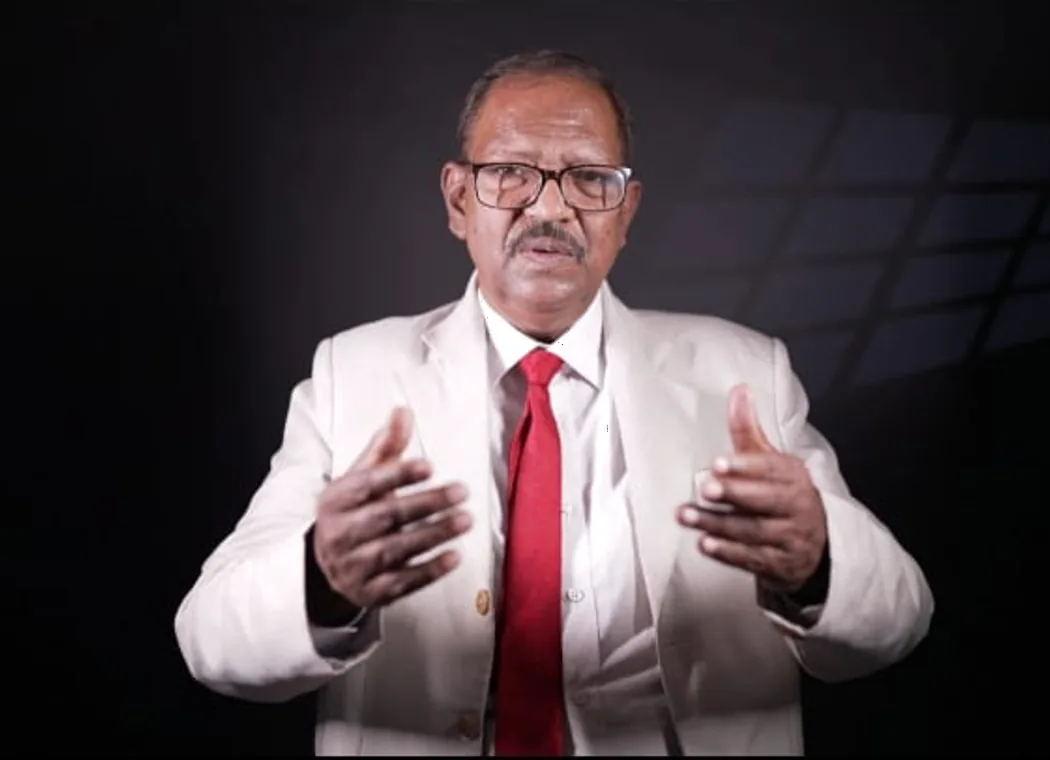
Also fluent in Hindi, so he can guide Indian learners from hesitation to speaking confidence.
Founder story
About 30 years ago, Glenn Paul started teaching spoken English through the old traditional system: vocabulary, grammar rules, blackboard writing, and notes. The results were disappointing. That failure pushed him to create the opposite approach: a practical speaking-gym system where learners listen, repeat, answer, and train their mouth, tongue, vocal cords, diaphragm, and mind to speak automatically.
Vocabulary lists, grammar rules, notes, and blackboard teaching did not make learners speak automatically.
Listening, repeating, answering, and practicing phrase groups helped learners build speaking reflexes.
The mouth, tongue, vocal cords, diaphragm, and mind must be trained like a skill, not tested like a subject.
The 7 rules
His method is based on seven rules: learn groups of words, do not study grammar rules while speaking, learn with your ears, learn deeply through repetition, use mini point-of-view stories, learn real spoken English, and listen-answer mini stories to train the mind to think in English.
We do not speak one word at a time. We speak in useful phrase groups.
There is no time to calculate noun, verb, tense, and preposition rules in a real conversation.
Speaking is a sound system, so the strongest input for speaking practice is listening.
Repeat, repeat, and repeat until English enters muscle memory.
Change a short story from past to present and other points of view to absorb grammar naturally.
Real speaking depends on voice, tonality, intonation, pace, and pauses, not only textbook perfection.
Quick questions and answers train the mind to think in English instead of translating from Hindi.
Ready to stop translating?
Send your name and goal on WhatsApp. The team will guide you to the right training path.
Free assessment
Share your name and number. You will be routed to WhatsApp with a ready message.